Let One’s Hair Down: Meaning, Origin, Uses, Examples, and How to Use This Popular English Idiom Naturally

Let One's Hair Down

English is full of colorful idioms that make conversations more expressive and engaging. Instead of speaking literally all the time, native speakers often use figurative expressions to describe emotions, actions, and everyday situations. One of the most popular examples is let one’s hair down, an idiom that conveys the idea of relaxing, enjoying yourself, and … Read more
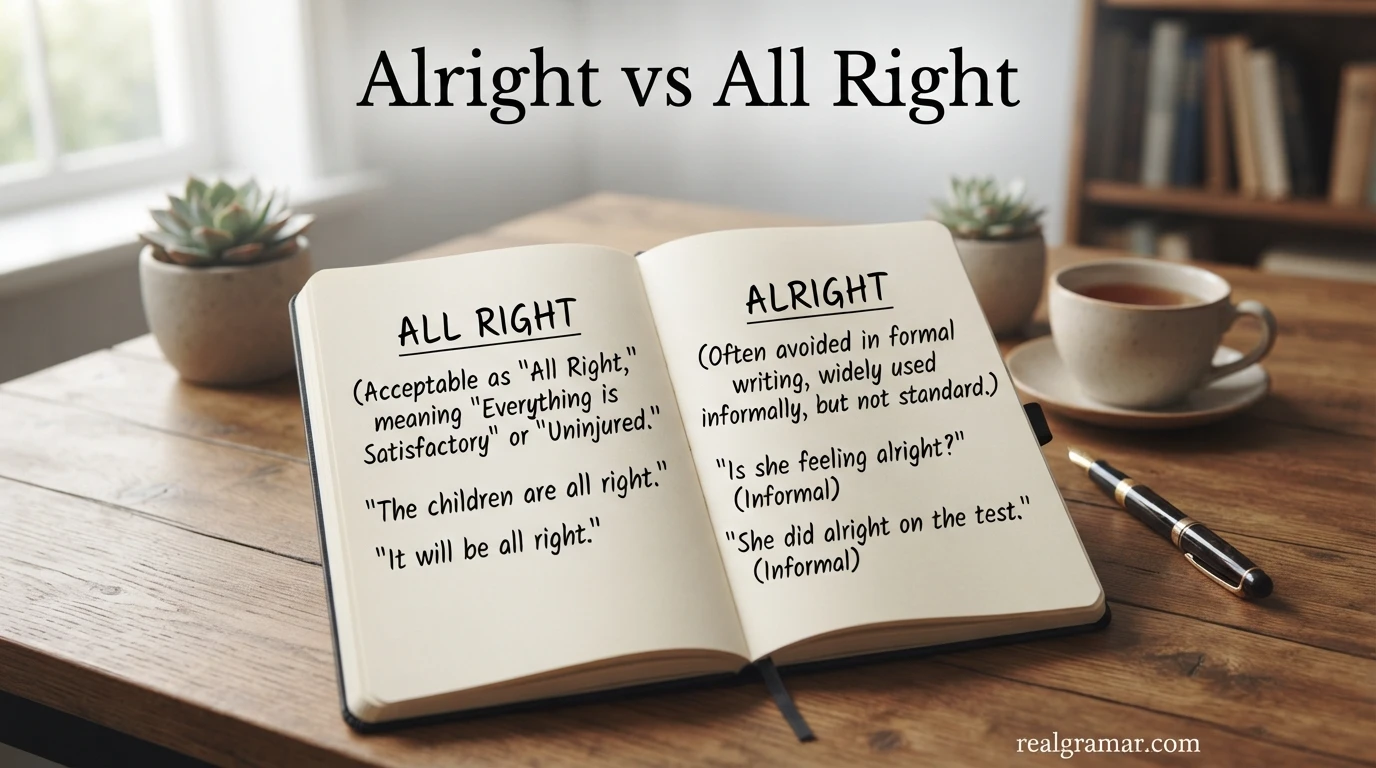

Alright vs All Right

Alright vs All Right

Great writing is not only about using advanced vocabulary or complicated sentences. Often, the smallest word choices create the biggest impact. A single space, spelling variation, or phrase choice can change the tone, clarity, and professionalism of your message. Figurative language, creative writing techniques, and descriptive language help writers express emotions, ideas, and experiences in … Read more

Comma Before or After

Comma Before or After

Good writing is not only about choosing impressive words; it is also about organizing ideas clearly. A single punctuation mark can change the meaning, rhythm, and readability of a sentence. Among all punctuation marks, the comma is one of the most frequently used—and one of the most commonly misunderstood. Correct comma placement helps readers understand … Read more

Imbed vs Embed: Meaning, Differences, Correct Usage, and Sentence Examples

Imbed vs Embed

Words are powerful tools. The way we choose and use them can influence how clearly we express ideas, emotions, and information. In creative writing, academic work, professional communication, and everyday conversations, using the correct word helps readers understand our message without confusion. This is especially important when dealing with similar-looking words that appear to have … Read more

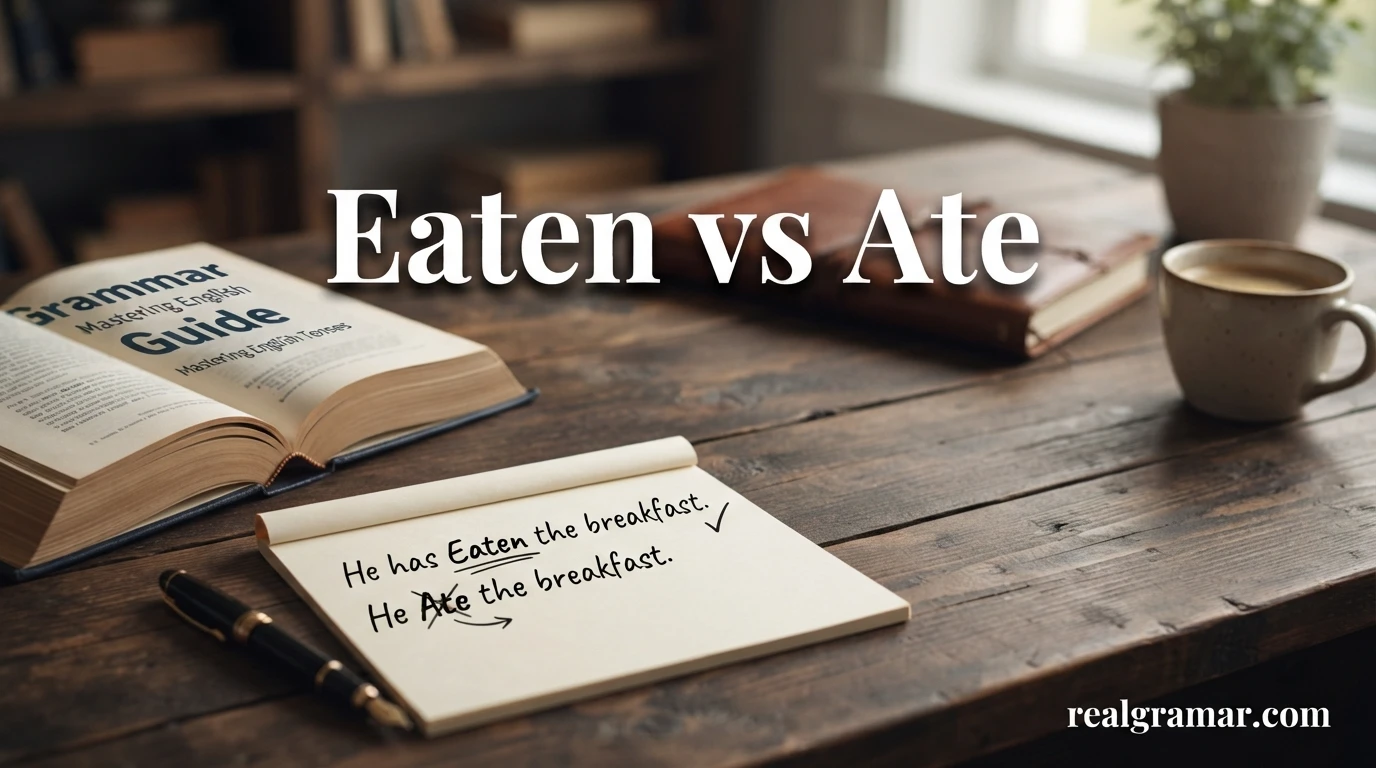
Eaten vs Ate: Meaning, Differences, Uses, and Sentence Examples

Eaten vs Ate

Words are the building blocks of communication. A single verb choice can change the accuracy, tone, and clarity of a sentence. Whether you are writing a school assignment, creating a story, improving your English skills, or crafting expressive content, understanding how verbs work helps you communicate ideas more effectively. Language becomes more powerful when writers … Read more

Same Difference: Meaning, Origin, Usage, Examples, and Common Mistakes Explained

Same Difference

English is full of expressions that seem confusing at first glance. Some phrases appear to contradict themselves, yet native speakers use them naturally in everyday conversations. One such expression is same difference. If you’ve ever heard someone respond with this phrase during an argument or casual discussion, you may have wondered whether it actually makes … Read more

Unalienable vs Inalienable: Meaning, Differences, Examples, and Correct Usage in English

Unalienable vs Inalienable

Strong writing is more than correct grammar—it is about choosing the right words to express ideas with precision and confidence. Whether you’re writing essays, creative stories, academic papers, legal documents, or professional emails, selecting the most accurate word can dramatically improve clarity and credibility. One of the most commonly misunderstood word pairs is unalienable and … Read more

Hit the Ground Running Meaning: Definition, Origin, Examples, and How to Use This Expression Correctly

Hit the Ground Running Meaning

Idioms are one of the most interesting parts of the English language because they allow people to express ideas beyond the literal meaning of individual words. A simple phrase can represent motivation, confidence, efficiency, or a specific way of approaching challenges. Many professional conversations, workplace discussions, interviews, and everyday interactions use idiomatic expressions to describe … Read more

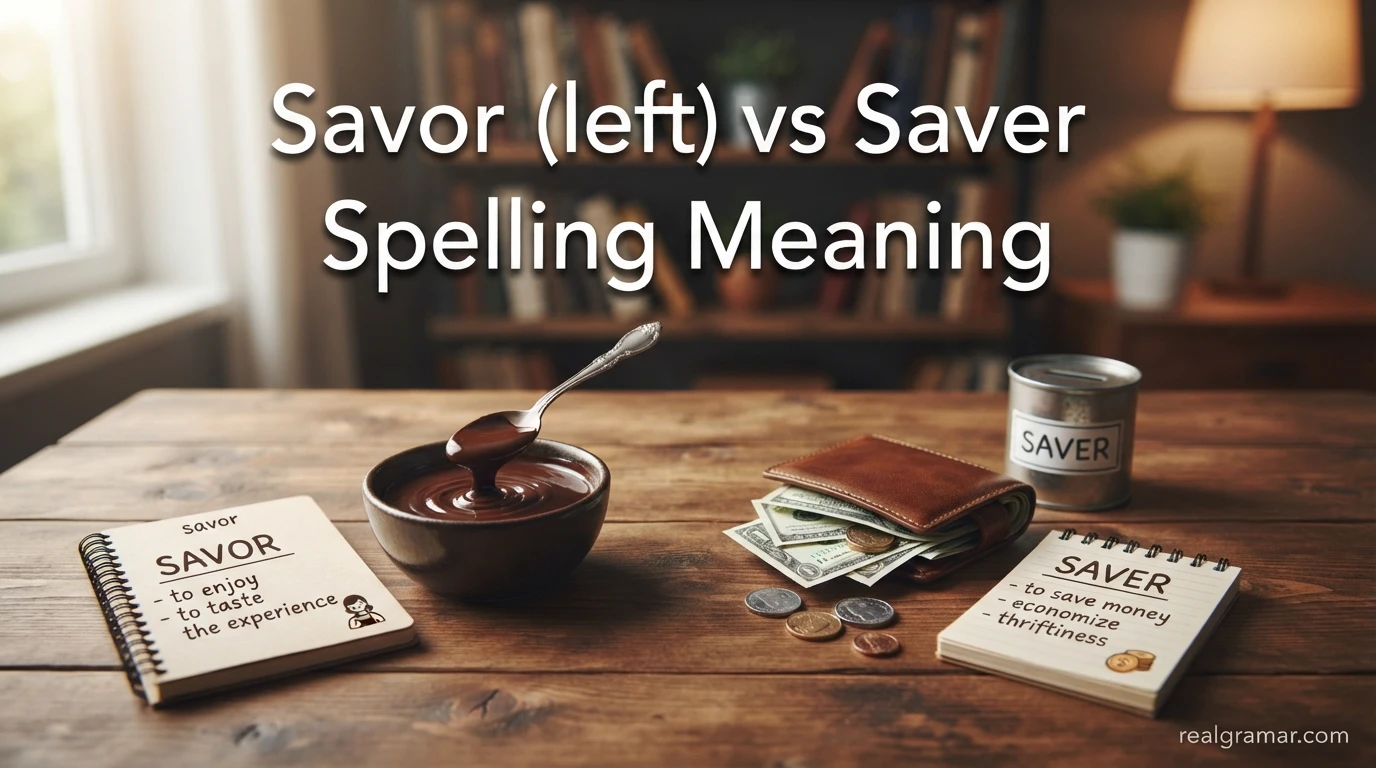
Savor vs Saver Spelling Meaning: Understanding the Difference and Using Each Word Correctly

Savor vs Saver Spelling Meaning

Learning English becomes much easier when you understand words that look or sound similar but have completely different meanings. These words often confuse students, writers, and even native speakers because a small spelling change can completely alter a sentence’s meaning. One excellent example is savor and saver. Although they differ by only one letter, they … Read more

Elegy or Eulogy: Understanding the Difference to Improve Your Writing and Communication

Elegy or Eulogy

Writing becomes more memorable when you choose the right words for the right occasion. Whether you’re composing a poem, giving a heartfelt speech, or analyzing literature, understanding the difference between similar words strengthens both your communication and writing skills. Many English learners confuse elegy and eulogy because both are connected to death, remembrance, and honoring … Read more