Whole Day or All Day: Which One Should You Use?

Whole Day or All Day

Have you ever paused while writing and wondered whether to say whole day or all day? It may seem like a tiny difference, but choosing the right phrase can make your writing sound more natural, accurate, and fluent. Understanding these expressions is valuable for students, English learners, writers, bloggers, and professionals because they frequently appear … Read more


Prescribe or Proscribe: Understanding the Difference Between Two Commonly Confused Words

Prescribe or Proscribe

Have you ever paused while writing because you weren’t sure whether to use prescribe or proscribe? You’re not alone. These two words look and sound remarkably similar, yet they have almost opposite meanings. Confusing them can completely change the meaning of a sentence, making your writing unclear or even misleading. Whether you’re a student preparing … Read more

Inquiring Minds Want to Know: Meaning, Origin, Usage, and Why Curiosity Drives Learning

Inquiring Minds Want to Know

Curiosity is one of the most powerful forces behind discovery, creativity, and personal growth. Every invention, scientific breakthrough, and meaningful conversation begins with someone asking questions and searching for answers. The desire to understand the world around us encourages people to explore new ideas, challenge assumptions, and develop deeper knowledge. The phrase inquiring minds want … Read more

She Has or She Have: Which One Is Correct?

She Has or She Have

Using correct grammar is one of the fastest ways to improve your writing, whether you’re a student, professional, blogger, or English learner. Even small grammar choices can affect how clearly your message is understood. One of the most common questions learners ask is whether to write “she has” or “she have.” While the difference may … Read more

Cartel vs Mafia: Understanding the Difference in Meaning, Structure, and Usage

Cartel vs Mafia

Language becomes more powerful when you understand the precise meaning of the words you use. Whether you’re reading news articles, writing essays, creating stories, or expanding your vocabulary, knowing the difference between similar terms helps you communicate more accurately. Many people mistakenly use cartel and mafia as interchangeable words because both are associated with organized … Read more

Giving or Given: What’s the Difference? A Complete Grammar Guide for English Learners

Giving or Given

Learning English often means dealing with words that look similar but serve different grammatical purposes. One of the most common questions students ask is whether they should use giving or given in a sentence. Although both words come from the verb give, they have different meanings, grammatical functions, and uses. Understanding this difference can improve … Read more

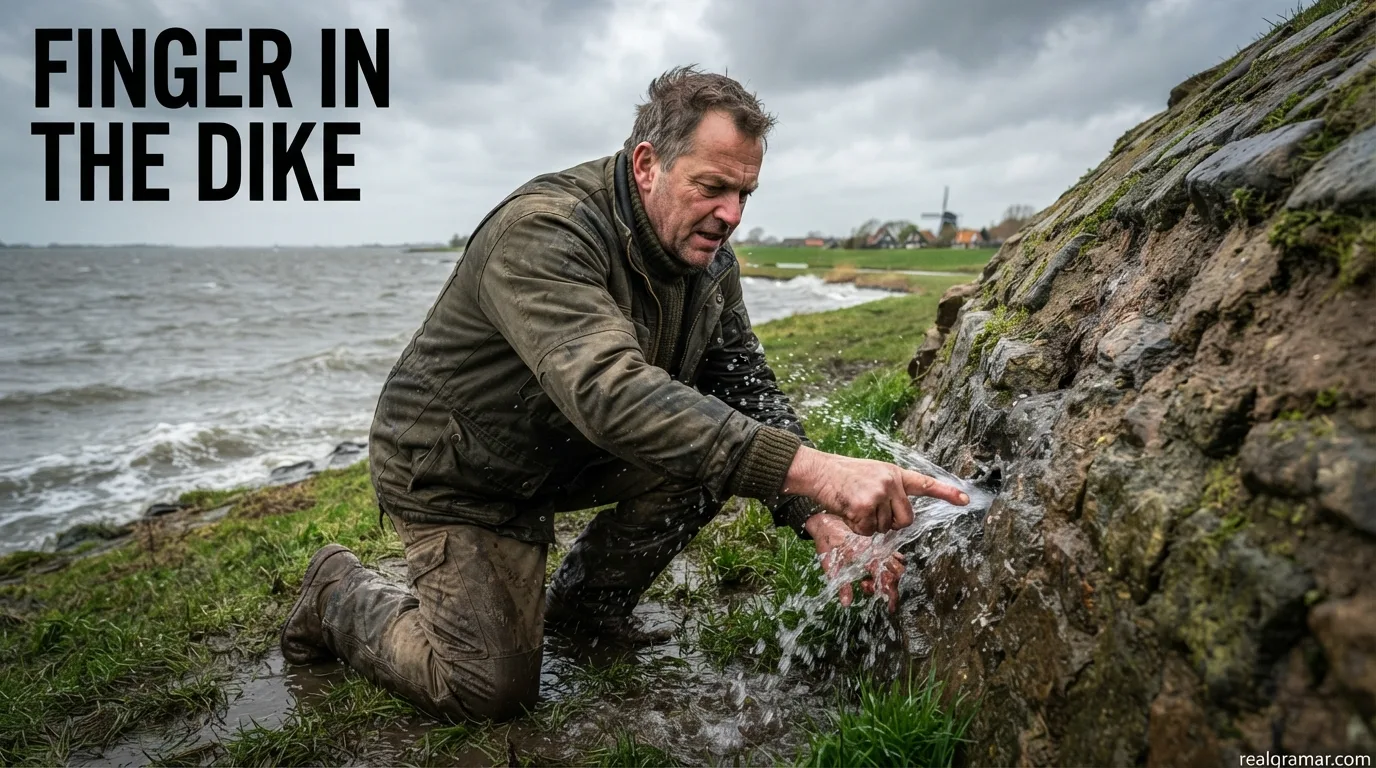
Finger in the Dike: Meaning, Origin, Symbolism, Examples, and Modern Usage

Finger in the Dike

Language is filled with expressions that carry stories, history, and deeper meanings. Some phrases come from literature, mythology, or real-life events and become widely used because they represent universal human experiences. The phrase finger in the dike is one such expression that represents determination, responsibility, sacrifice, and the effort to prevent a much larger problem … Read more

Is It Correct to Say Looking Forward to Working With You?

Is It Correct to Say Looking Forward to Working With You

Yes, “looking forward to working with you” is grammatically correct, natural, and widely used in professional English. It is a polite way to express enthusiasm about starting or continuing a professional relationship with someone. You may see this expression in emails, business letters, job-related communication, client messages, networking conversations, and workplace correspondence. Although it is … Read more

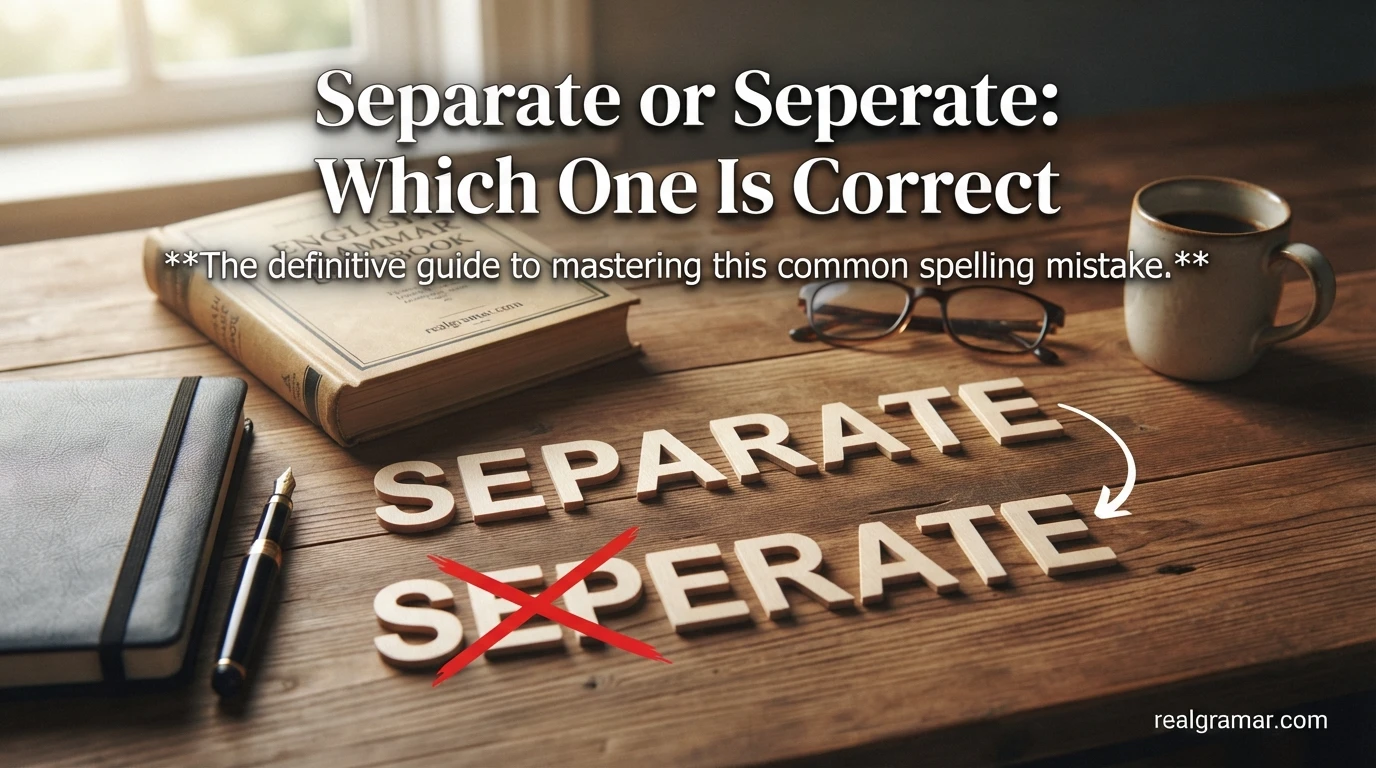
Separate or Seperate: Which One Is Correct?

Separate or Seperate: Which One Is Correct

Have you ever paused while writing because you couldn’t remember whether the correct spelling is separate or seperate? You’re not alone. This is one of the most common English spelling mistakes made by students, professionals, writers, and even native speakers. English contains many words with unusual spelling patterns, and separate is a classic example. A … Read more