

English is full of colorful idioms that make conversations more expressive and engaging. Instead of speaking literally all the time, native speakers often use figurative expressions to describe emotions, actions, and everyday situations. One of the most popular examples is let one’s hair down, an idiom that conveys the idea of relaxing, enjoying yourself, and temporarily forgetting responsibilities.
Whether you’re an English learner, student, writer, or professional, understanding this expression can make your communication sound more natural and fluent. It appears in casual conversations, novels, movies, television shows, motivational speeches, workplace discussions, and even business settings when talking about work-life balance.
In this guide, you’ll learn its meaning, history, usage, grammar, examples, cultural significance, common mistakes, related expressions, and practical tips for using it confidently in everyday English.
What Does This Idiom Mean?
This expression means to relax, behave freely, and enjoy yourself after a period of hard work, stress, or responsibility.
Rather than referring to someone’s hairstyle, it symbolizes becoming less formal and allowing yourself to have fun.
Simple Definition
It describes a person who:
- Relaxes after work
- Stops worrying about responsibilities
- Enjoys a party or celebration
- Acts naturally without feeling restricted
- Takes a break from stress
Quick Example
After finishing the final exams, the students went out to celebrate and finally let their hair down.
In this sentence, the students are not literally changing their hairstyles—they are relaxing after weeks of studying.
Why This Expression Is So Popular
People today often balance demanding jobs, academic responsibilities, family commitments, and personal goals. Because modern life can be stressful, expressions about relaxation and enjoyment are widely used.
You’ll commonly hear this idiom when discussing:
- Vacations
- Weekend plans
- Office parties
- Weddings
- Family gatherings
- Holidays
- Graduation celebrations
- Birthdays
- Festivals
- Retirement
It communicates the universal need to unwind and enjoy life.
The Origin and History
Like many English idioms, this expression has an interesting historical background.
Centuries ago, women often kept their hair tied up or covered in public because loose hair was considered informal. At home, after completing daily duties, they would remove hairpins and allow their hair to fall naturally.
Over time, this physical action became a metaphor for relaxing and becoming comfortable.
Eventually, the phrase evolved into an idiom meaning:
- Stop being formal
- Relax completely
- Enjoy yourself freely
Today, people of every gender use the expression, even though its historical roots involve women’s hairstyles.
Literal Meaning vs
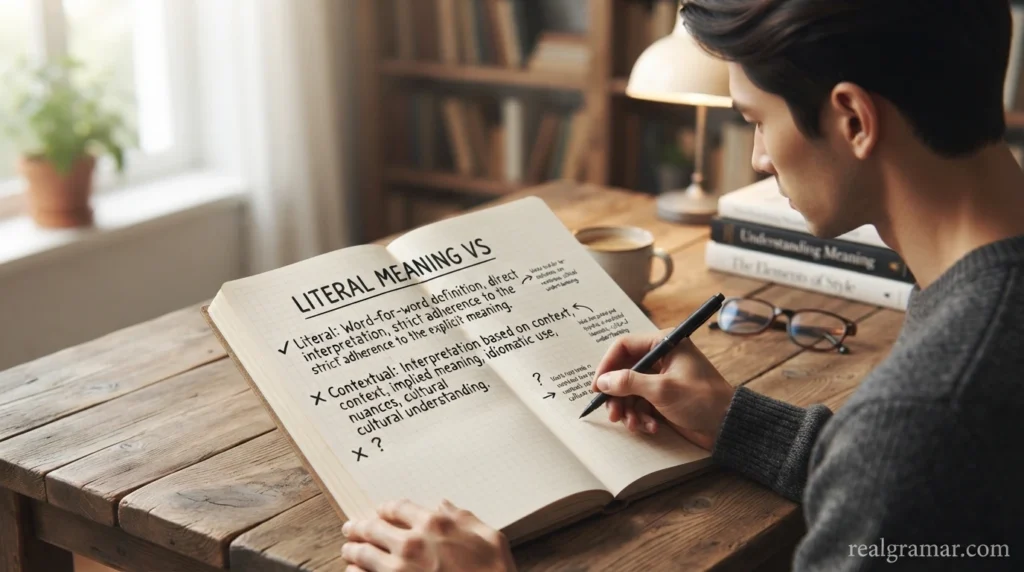
Understanding the difference between literal and figurative language helps learners avoid confusion.
| Literal Meaning | Figurative Meaning |
| Actually loosening your hair | Relaxing and enjoying yourself |
| Physical action | Emotional state |
| About appearance | About behavior |
| Hair becomes untied | Stress disappears |
Literal Example
She let her hair down before going to bed.
Figurative Example
Everyone let their hair down after the project was completed.
The second sentence is the idiomatic use.
When Should You Use This Expression?
This idiom works best when someone is taking a break from routine or celebrating after completing something important.
Common Situations
After Work
Many professionals spend the entire week working hard.
Example:
- The team decided to relax together after finishing the project.
During Holidays
Vacations provide opportunities to forget daily responsibilities.
Example:
- We’re planning a beach trip where everyone can truly unwind.
At Celebrations
Birthdays, weddings, reunions, and festivals are ideal occasions.
Example:
- Everyone enjoyed the music and danced without worrying about work.
After Exams
Students often use the expression after completing tests.
Example:
- The class celebrated after their final exams.
Weekend Activities
Weekends often represent freedom from busy schedules.
Example:
- After a long week, I just want to spend Saturday relaxing with friends.
Different Contexts Where It Fits Naturally
Although commonly associated with parties, the expression has broader applications.
Personal Life
Examples:
- She finally relaxed after months of planning her wedding.
- We enjoyed ourselves during the family reunion.
Workplace
Many companies organize social events to help employees recharge.
Examples:
- The office organized a dinner where everyone could enjoy themselves.
- Team-building events allow employees to relax outside work.
Academic Environment
Students often experience stress before exams.
Examples:
- Graduation gave everyone a chance to celebrate.
- Summer vacation helped the students recharge.
Travel
Travel naturally encourages relaxation.
Examples:
- We spent a week at the beach enjoying a slower pace of life.
- The mountain resort was the perfect place to unwind.
Common Sentence Patterns
Native speakers use several structures naturally.
Pattern 1
Subject + let + possessive adjective + hair down
Examples:
- She let her hair down.
- He let his hair down.
- They let their hair down.
Pattern 2
Finally + expression
Examples:
- We finally relaxed after months of preparation.
- She finally enjoyed herself after completing the assignment.
Pattern 3
Time to + expression
Examples:
- It’s time to unwind.
- After such a busy month, it’s time to enjoy ourselves.
Real-Life Examples

Understanding real situations makes idioms easier to remember.
Example 1: Office Celebration
After completing a six-month project, the employees organized a dinner with music and games. It was their chance to forget deadlines and simply enjoy each other’s company.
Example 2: Graduation Party
Students studied for months before their final examinations. Once graduation arrived, they celebrated together without worrying about homework or tests.
Example 3: Family Reunion
Relatives traveled from different cities to meet after several years. The gathering was filled with laughter, stories, games, and shared meals, giving everyone a chance to relax.
Example 4: Vacation
A busy executive booked a week-long beach holiday to escape meetings, emails, and deadlines. The trip helped restore energy and improve focus.
Why Relaxation Matters
This idiom reflects an important life lesson: balancing work and rest.
Taking time to unwind can:
- Reduce stress
- Improve mental well-being
- Increase creativity
- Strengthen relationships
- Prevent burnout
- Improve productivity
- Boost happiness
- Support better decision-making
People who regularly take breaks often return to work feeling refreshed and motivated.
Key Takeaways So Far
- The expression means relaxing and enjoying yourself after work or stress.
- It is an idiom, not a literal statement about hairstyles.
- It is suitable for conversations about celebrations, vacations, weekends, and social events.
- It emphasizes the importance of balancing responsibilities with leisure.
- It remains one of the most common idioms in modern English.
Part 2 will cover:
- Similar idioms and expressions
- Synonyms and related vocabulary
- Formal vs. informal usage
- Common mistakes
- Advanced sentence examples
- Cultural significance
- Writing tips
- 8 SEO-focused FAQs
- Final conclusion
Similar Idioms and Related Expressions
English has many expressions that communicate the idea of relaxing, having fun, or taking a break from daily responsibilities. Learning these alternatives helps expand your vocabulary and makes your speech and writing more natural.
| Expression | Meaning | Example |
| Unwind | Relax after stress | I like to unwind by reading a book. |
| Kick back | Sit back and relax | Let’s kick back after dinner. |
| Take it easy | Avoid stress and relax | You should take it easy this weekend. |
| Blow off steam | Release stress or frustration | He went for a run to blow off steam. |
| Have a good time | Enjoy yourself | Everyone had a good time at the festival. |
| Live it up | Enjoy life in an exciting way | They lived it up during their vacation. |
| Chill out | Become calm and relaxed | Just chill out and enjoy the evening. |
| Recharge your batteries | Regain energy | A short holiday helped her recharge her batteries. |
Each expression has a slightly different nuance, but they all relate to relaxation, enjoyment, or relieving stress.
Everyday Situations Where You Can Use This Idiom
One reason this expression remains popular is its flexibility. It fits naturally into many everyday conversations.
After Completing a Big Project
Long-term assignments often require dedication and focus. Once the work is finished, people usually celebrate.
Example:
After launching the new product, the entire team celebrated together.
During Holidays
Vacations provide a perfect opportunity to escape routines.
Example:
Our family always spends a few days at the beach to relax during the summer holidays.
At Weddings
Wedding receptions are often lively events filled with music and dancing.
Example:
Guests enjoyed dancing late into the night after the formal ceremony.
Family Gatherings
Family reunions create opportunities to reconnect and enjoy one another’s company.
Example:
Everyone laughed, shared stories, and forgot about work for the weekend.
Weekend Plans
Weekends often represent freedom from busy schedules.
Example:
I enjoy spending Saturday with friends instead of thinking about work.
Formal vs. Informal Usage
This idiom is considered informal, making it ideal for conversations, blogs, interviews, speeches, and creative writing. It is less common in highly formal academic or legal documents.
Appropriate Contexts
- Conversations
- Stories
- Novels
- Magazine articles
- Lifestyle blogs
- Motivational writing
- Business conversations about work-life balance
Less Appropriate Contexts
- Legal contracts
- Scientific research papers
- Technical manuals
- Official government documents
In formal writing, alternatives such as relax, unwind, recharge, or take a break may be more suitable.
Common Mistakes Learners Make
Understanding frequent errors helps you avoid awkward or incorrect usage.
1. Interpreting It Literally
Incorrect understanding:
Someone thinks the phrase is always about hairstyles.
Remember, in most conversations it is a figurative expression about relaxing.
2. Using It in Serious Situations
Avoid using the idiom during tragic or solemn events.
For example, it would sound inappropriate when discussing funerals, emergencies, or serious illnesses.
3. Using It in Extremely Formal Documents
Although native speakers understand the expression, formal reports usually require more direct language.
Instead of:
Employees should let their hair down after quarterly reviews.
A formal report might say:
Employees should be encouraged to maintain a healthy work-life balance.
4. Confusing It With Laziness
Relaxing temporarily does not mean avoiding responsibility.
The idiom suggests taking a healthy break before returning to normal duties.
Benefits of Understanding English Idioms
Learning idioms offers advantages beyond simply increasing vocabulary.
Improved Speaking Skills
Using common expressions makes conversations sound more fluent and natural.
Better Listening Comprehension
Movies, TV shows, podcasts, and native speakers frequently use idioms.
Stronger Writing
Idioms add personality to stories, blog posts, and creative writing.
Cultural Understanding
Many idioms reflect traditions, history, and social customs.
Greater Confidence
Recognizing figurative language helps learners participate more comfortably in conversations.
Tips for Remembering This Expression
Many learners remember idioms more easily when they connect them with real-life experiences.
Try these strategies:
- Associate the phrase with vacations or weekends.
- Imagine finishing an important project and celebrating afterward.
- Use it in your own sentences every day.
- Read English novels and articles that include idiomatic language.
- Watch movies and listen for similar expressions.
Creating personal associations improves long-term memory.
Practice Exercise
Choose the sentence where the idiom is used correctly.
Question 1
A.
She let her hair down before washing it.
B.
After months of overtime, the employees finally celebrated together.
Answer: Both are correct, but A is literal while B is the idiomatic meaning.
Question 2
Which sentence best expresses the figurative meaning?
A.
We enjoyed ourselves after the exams.
B.
She brushed her hair carefully.
Answer: A
Rewrite Exercise
Rewrite these sentences using the idiom where appropriate.
- We relaxed after finishing the competition.
- They enjoyed themselves during the vacation.
- The office staff celebrated after reaching their sales goals.
Possible Answers
- We finally let our hair down after finishing the competition.
- They really let their hair down during the vacation.
- The office staff let their hair down after reaching their sales goals.
FAQs
1. What does this idiom mean?
It means to relax, enjoy yourself, and stop worrying about work or responsibilities for a while.
2. Is it used literally or figuratively?
It is most commonly used figuratively, although it can also describe someone physically loosening their hair.
3. Is it appropriate in business conversations?
Yes, in informal business settings. For example, colleagues may use it when talking about office parties, team celebrations, or work-life balance.
4. Can students use this expression?
Absolutely. Students often use it after exams, graduation ceremonies, sports competitions, or school events.
5. What are some similar expressions?
Common alternatives include:
- unwind
- kick back
- take it easy
- chill out
- have fun
- blow off steam
- recharge your batteries
- live it up
6. Is it common in modern English?
Yes. It remains one of the most widely recognized idioms in both British and American English and frequently appears in conversations, books, films, and online content.
7. Can it describe a single person or a group?
Yes. It works with individuals and groups alike.
Examples:
- She let her hair down after work.
- They let their hair down at the company retreat.
8. Why should English learners study idioms?
Idioms improve fluency, make conversations sound more natural, enhance reading comprehension, and deepen understanding of English-speaking cultures.
Conclusion
Idioms are more than colorful phrases—they capture ideas and experiences in a memorable way. This expression reminds us of the importance of balancing responsibility with relaxation. Whether you’re celebrating a milestone, taking a vacation, or simply enjoying time with friends, it expresses the universal need to unwind and reconnect with life’s enjoyable moments.
For English learners, mastering idioms like this builds confidence, enriches vocabulary, and makes communication more authentic. Rather than translating word for word, focus on the underlying meaning and the situations in which native speakers naturally use the expression. Over time, you’ll find yourself recognizing and using idiomatic language with ease.
By understanding its origin, meaning, grammar, appropriate contexts, related expressions, and practical examples, you can confidently incorporate this classic idiom into your speaking and writing while making your English more fluent, engaging, and expressive.
