Minuet vs Minute: Understanding the Difference, Meanings, Usage, and Examples
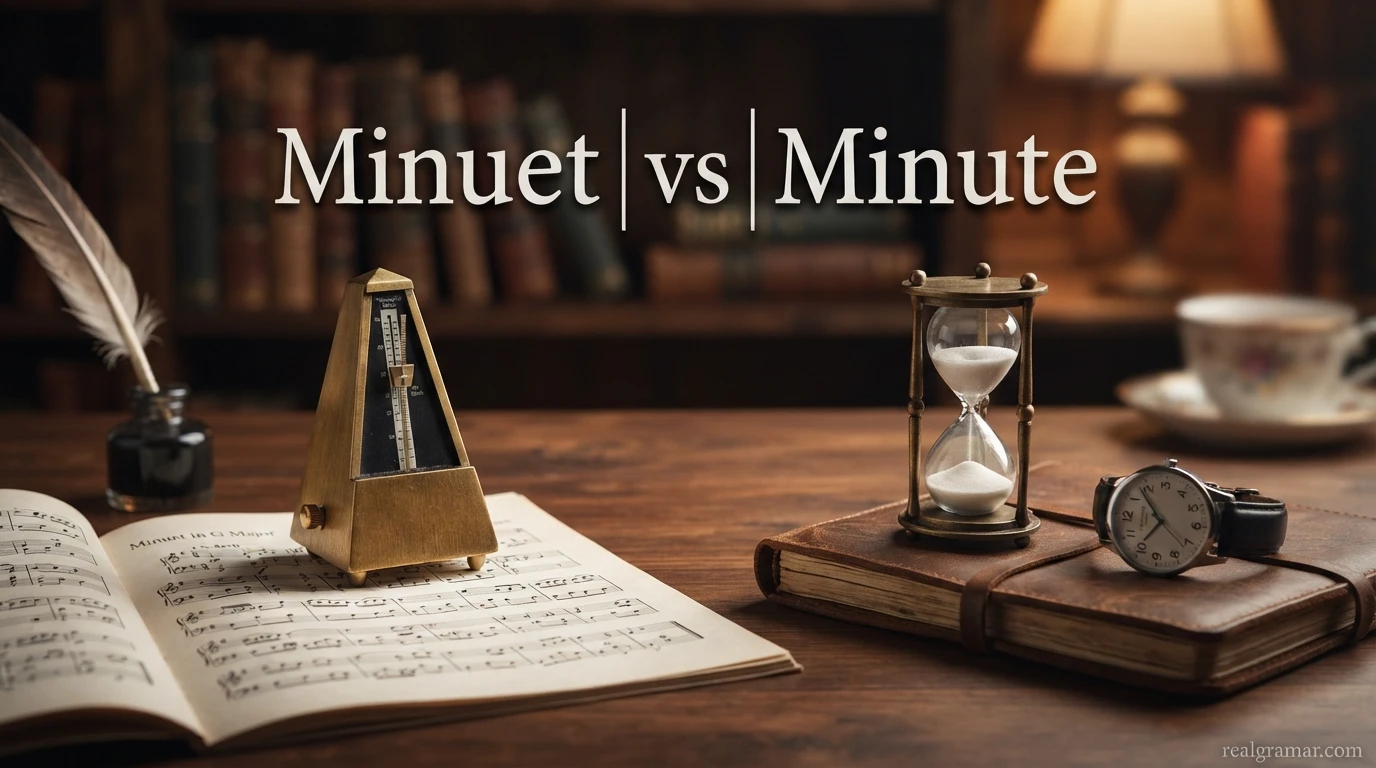
Minuet vs Minute

Language becomes more powerful when writers understand the subtle differences between words that look or sound similar. Strong vocabulary is not only about knowing many words—it is about choosing the exact word that expresses the intended meaning. This skill improves writing clarity, storytelling ability, and everyday communication. Words such as minuet vs minute are a … Read more

Better Than: Meaning, Usage, Grammar Rules, Examples, and How to Use This Comparison Phrase Correctly

Better Than

Comparisons are one of the most important parts of everyday communication. We constantly compare choices, experiences, skills, products, ideas, and situations to explain preferences and make decisions. Whether you are writing an essay, having a conversation, creating content, or learning English, understanding comparison language helps you express opinions clearly and confidently. The phrase better than … Read more

Beloved vs Loved: Understanding the Difference in Meaning, Emotion, and Usage

Beloved vs Loved

Words have the power to shape emotions, create vivid imagery, and strengthen communication. Whether you’re writing a novel, composing poetry, preparing an academic essay, or simply trying to express your feelings more clearly, choosing the right word makes a significant difference. English offers many words that appear similar but carry different emotional depth. One common … Read more

Takes One to Know One: Meaning, Origin, Usage, Examples, and How to Use This Expression Correctly

Takes One to Know One

Language is more than a collection of words. Everyday conversations are filled with phrases, sayings, and expressions that carry deeper meanings than their literal definitions. Learning these expressions helps students, writers, and English learners understand humor, emotions, social interactions, and cultural communication. Some phrases are used to defend oneself, respond to criticism, or point out … Read more

Do Not vs Don’t: What’s the Difference and When Should You Use Each?

Do Not vs Don't

Learning English isn’t only about grammar rules—it’s also about choosing the right tone for the right situation. One small decision, such as whether to write do not or don’t, can change how formal, professional, or conversational your writing sounds. Students often use contractions naturally in everyday conversations, while writers and professionals know that the full … Read more

 If She Was or If She Were: Which One Is Correct? A Complete Grammar Guide for Better English Writing

If She Was or If She Were

 If She Was or If She Were: Which One Is Correct? A Complete Grammar Guide for Better English Writing Have you ever paused while writing and wondered whether you should say “if she was” or “if she were”? You’re not alone. This is one of the most common grammar questions among students, English learners, writers, … Read more

Proved or Proven: Which One Should You Use?

Proved or Proven

Strong writing is more than correct grammar—it is about expressing ideas clearly, naturally, and confidently. Whether you’re writing an essay, a business email, a story, or a poem, choosing the right word can make your message more accurate and professional. Understanding the difference between proved and proven is one of those small grammar skills that … Read more

Spatter or Splatter Difference: A Complete Guide for Better Writing and Clear Communication

Spatter or Splatter Difference

Choosing the right word can transform ordinary writing into clear, vivid, and engaging communication. Whether you’re a student, writer, blogger, teacher, or English learner, understanding subtle word differences helps you express ideas more accurately and confidently. English contains many word pairs that look and sound alike but carry slightly different meanings. Learning these distinctions improves … Read more

My Father and I or My Father and Me: Which Is Correct?

My Father and I or My Father and Me

Strong writing is not only about using the right grammar—it is also about expressing ideas clearly, creatively, and naturally. Whether you’re writing an essay, telling a personal story, crafting a poem, or communicating in everyday English, understanding sentence structure helps your message sound polished and confident. At the same time, great communication goes beyond grammar. … Read more