
Learning the difference between similar-looking English words is one of the fastest ways to improve your writing and communication. Whether you’re a student, blogger, novelist, or professional writer, choosing the right word makes your message clearer and more persuasive.
Many people become confused when they encounter invision and envision. At first glance, they appear to have similar spellings and meanings, but only one belongs in standard English. Understanding this distinction not only improves grammar but also strengthens vocabulary, enhances descriptive language, and makes creative writing more vivid.
This guide explores the correct usage, explains common mistakes, provides comparison examples, and demonstrates how the right word contributes to figurative language, literary devices, poetic expression, and effective communication. By the end, you’ll know exactly which word to use in every situation.
Is “Invision” or “Envision” Correct?
The simple answer is:
| Word | Correct? | Meaning |
| Invision | ❌ Usually incorrect | Common misspelling of envision (except as a brand name) |
| Envision | ✅ Correct | To imagine, picture, or visualize something in the future |
In everyday English, envision is the correct verb when you mean to imagine or mentally picture something.
Quick examples
- ✅ I can envision a brighter future.
- ✅ She envisioned herself becoming a doctor.
- ✅ The architect envisioned an eco-friendly city.
- ❌ I invision my dream home.
What Does “Envision” Mean?
Envision means to imagine something clearly in your mind before it becomes reality. It often refers to future possibilities, goals, dreams, or creative ideas.
Dictionary-style definition
Envision (verb): To imagine or visualize something as a future possibility or reality.
The word encourages readers to form mental images, making it especially valuable in storytelling, persuasive writing, speeches, and descriptive essays.
Common contexts
- Academic writing
- Business planning
- Personal goals
- Creative writing
- Motivational speeches
- Fiction
- Poetry
- Leadership communication
Why Do People Write “Invision”?
The confusion happens because English contains many words beginning with in-, such as:
- include
- inspire
- inform
- invent
- increase
As a result, learners naturally assume that invision follows the same pattern.
However, the correct prefix is en-, which often means to cause something to become or to put into a certain state.
Examples include:
- enable
- enrich
- enlarge
- encourage
- enlighten
- envision
Because the pronunciation is very similar, spelling errors frequently occur in emails, essays, and online posts.
Understanding the Meaning Through Comparison
Imagine you’re writing about your future career.
Correct:
I envision myself leading an international company.
Incorrect:
I invision myself leading an international company.
The first sentence communicates confidence and uses standard English. The second contains a spelling mistake that many readers immediately notice.
Another example:
Correct:
The teacher encouraged students to envision success before taking the exam.
Incorrect:
The teacher encouraged students to invision success before taking the exam.
Word Origin and Etymology
Understanding where words come from often makes them easier to remember.
The verb envision developed from:
- Prefix en- meaning “to cause to be” or “to put into.”
- Root vision, meaning sight or seeing.
Literally, envision means:
“To see mentally.”
This explains why the word is associated with imagination, planning, dreams, creativity, and visualization.
Interestingly, vision itself comes from Latin visio, meaning “seeing.”
When Should You Use “Envision”?
Use the word whenever you’re talking about imagining something that does not yet exist.
Future planning
- She envisioned a successful business.
- We envision cleaner cities.
- Scientists envision new medical discoveries.
Personal goals
- I envision graduating with honors.
- He envisioned becoming a pilot.
- They envisioned buying their first home.
Leadership
Leaders often use this word because it inspires people.
Examples:
- Our CEO envisions global expansion.
- The principal envisioned a more inclusive school.
- The charity envisions a world without hunger.
Creative writing
Authors use envision to help readers imagine scenes.
Example:
She closed her eyes and envisioned a castle floating above the clouds.
This creates a vivid mental picture for readers.
How “Envision” Strengthens Creative Writing
One reason professional writers love this word is that it encourages visualization.
Instead of merely telling readers what happens, it invites them to imagine.
Compare these examples.
Basic writing:
The city was beautiful.
Improved writing:
She envisioned a city where rivers reflected golden sunsets and every street bloomed with flowers.
The second version is more engaging because it paints a picture.
Benefits for writers
- Creates vivid imagery
- Improves storytelling
- Enhances descriptive language
- Supports emotional expression
- Develops stronger characters
- Builds immersive settings
Envision in Figurative Language
Figurative language helps readers experience ideas rather than simply understand them.
Because envision involves imagination, it naturally supports many literary devices.
Imagery
Envision the stars dancing across the night sky.
Readers immediately form a mental image.
Metaphor
She envisioned success as a mountain waiting to be climbed.
Success is compared to a mountain without using “like” or “as.”
Simile
He envisioned his future like an endless sunrise.
The comparison adds emotional depth.
Personification
She envisioned hope knocking softly at her door.
Hope is given human qualities.
Symbolism
A writer may envision a bridge representing opportunity or a lighthouse symbolizing guidance.
Using envision alongside figurative language creates richer, more memorable writing.
Sentence Examples in Different Contexts
School
- Students envision successful careers.
- Teachers encourage learners to envision their goals.
- I envisioned finishing the project early.
Business
- Investors envision long-term growth.
- The company envisioned international expansion.
- Managers envisioned new opportunities.
Personal Life
- She envisioned a peaceful retirement.
- They envisioned raising a happy family.
- We envision a brighter tomorrow.
Literature
- The poet envisioned love as an endless ocean.
- The novelist envisioned an ancient kingdom hidden beneath the sea.
- The playwright envisioned a society ruled by compassion.
Academic Writing
- Researchers envision practical applications for the technology.
- Scientists envision future discoveries.
- Historians envision alternative historical outcomes.
End of Part 1
The next part will cover:
- Envision in formal vs informal writing
- Common collocations and expressions
- Comparison with imagine, visualize, foresee, conceive, dream
- Tone and style usage
- Common mistakes and grammar errors
- Vocabulary enhancement for stronger writing
- Quick comparison tables and advanced sentence examples
Envision in Formal and Informal Writing
One of the strengths of envision is its versatility. It fits naturally into academic papers, professional reports, creative stories, speeches, and everyday conversations. While the word sounds slightly more formal than imagine, it remains easy to understand and adds clarity to your writing.
Formal Writing
In professional and academic contexts, envision often communicates planning, strategy, innovation, or future possibilities.
Examples:
- The committee envisions a more sustainable transportation system.
- Researchers envision new applications for artificial intelligence.
- The university envisions expanding its international programs.
- Policymakers envision long-term economic growth.
- The organization envisions equal opportunities for every employee.
Formal writing values precision, and envision clearly expresses thoughtful planning rather than casual guessing.
Informal Writing
In everyday conversations, blogs, journals, and personal essays, envision sounds thoughtful without being overly complicated.
Examples:
- I can envision our family vacation already.
- Can you envision living near the beach?
- She envisioned the perfect birthday celebration.
- We envision spending more time outdoors this summer.
Although imagine is more common in casual speech, envision emphasizes a clearer and more purposeful mental picture.
Envision vs. Similar Words
Many English learners confuse envision with other words that involve imagination. While they share related meanings, each has a unique nuance.
| Word | Meaning | Best Used For |
| Envision | Mentally picture a future possibility | Goals, plans, dreams |
| Imagine | Form any mental image | General situations |
| Visualize | Create a detailed mental picture | Meditation, learning, creativity |
| Foresee | Predict something likely to happen | Future events |
| Conceive | Develop an idea mentally | Inventions, theories |
| Dream | Think about hopes or wishes | Aspirations and emotions |
Envision vs. Imagine
Imagine is broader.
Example:
- Imagine flying across the galaxy.
This could describe fantasy or fiction.
Envision usually refers to something that could realistically become true.
Example:
- We envision cleaner energy sources.
Envision vs. Visualize
Both involve mental pictures, but visualization is often more detailed.
Example:
Visualize:
Close your eyes and visualize every detail of the room.
Envision:
Envision yourself achieving your career goals.
Visualization focuses on details.
Envision focuses on possibilities.
Envision vs. Foresee
Foresee suggests prediction.
Example:
- Experts foresee economic challenges.
Envision suggests planning or hope.
Example:
- Experts envision innovative economic solutions.
Envision vs. Dream
Dreaming is emotional.
Envisioning is intentional.
Compare:
- She dreams of becoming famous.
- She envisions opening her own successful business.
The second sentence implies planning and preparation.
Common Word Partnerships (Collocations)
Native English speakers often combine envision with particular words. Learning these collocations improves natural writing.
Frequently used combinations
- envision the future
- envision success
- envision change
- envision opportunities
- envision growth
- envision progress
- envision possibilities
- envision innovation
- envision improvement
- envision transformation
- envision leadership
- envision excellence
- envision development
- envision achievement
- envision solutions
Example sentences
- The mayor envisions safer neighborhoods.
- Engineers envision smarter transportation systems.
- Students envision successful futures.
- Artists envision beautiful creations.
- Parents envision bright opportunities for their children.
Using Envision in Creative Writing
Creative writers rely on descriptive language to immerse readers in a story. The verb envision helps establish vivid scenes and emotional depth.
Example 1
Simple:
She wanted a better future.
Improved:
She envisioned a future where every sunrise carried new hope.
Example 2
Simple:
He thought about winning.
Improved:
He envisioned victory long before the race began.
Example 3
Simple:
The child imagined the castle.
Improved:
The child envisioned towering castles wrapped in silver clouds.
Notice how the revised sentences create stronger imagery and emotional impact.
Envision and Descriptive Language
Descriptive language allows readers to experience scenes through sensory details. Pairing envision with vivid descriptions makes writing more engaging.
Instead of writing:
I envisioned a house.
Write:
I envisioned a charming stone cottage surrounded by blooming lavender and towering oak trees.
Instead of:
She envisioned success.
Write:
She envisioned standing confidently on stage while the audience applauded her achievements.
These richer descriptions help readers connect emotionally with the text.
Literary Devices That Pair Well with Envision
The word works beautifully alongside several literary techniques.
Imagery
Envision snow-covered mountains glowing beneath the morning sun.
Readers create a mental picture.
Metaphor
He envisioned his future as a blank canvas.
The future is compared to a canvas.
Simile
She envisioned happiness like a bird finally finding its nest.
The comparison makes the idea more vivid.
Symbolism
A writer might envision:
- a bridge representing opportunity
- a tree symbolizing growth
- a lighthouse symbolizing hope
- an open road symbolizing freedom
Hyperbole
She envisioned a celebration so grand that the whole world would remember it.
This intentional exaggeration creates excitement.
Tone and Style Usage
Choosing the right tone helps writers communicate effectively.
Inspirational Tone
- Envision your greatest potential.
- Envision a brighter tomorrow.
- Envision endless possibilities.
Common in motivational speeches.
Professional Tone
- The company envisions continued innovation.
- Our strategy envisions long-term sustainability.
Common in business writing.
Academic Tone
- Researchers envision practical applications for the findings.
- Scholars envision future developments in education.
Suitable for essays and research papers.
Poetic Tone
- She envisioned dawn painting the sky with whispers of gold.
- He envisioned hope blooming beneath winter’s silence.
This style emphasizes figurative language and poetic expression.
Common Mistakes to Avoid
Many learners make similar errors when using this word.
Mistake 1: Writing “Invision”
❌ I invision success.
✅ I envision success.
Mistake 2: Confusing It with Predict
❌ Scientists envision rain tomorrow.
Better:
✅ Scientists foresee rain tomorrow.
Mistake 3: Using It for Present Reality
❌ I envision the chair in front of me.
Better:
✅ I see the chair in front of me.
Envision refers to mental images rather than things currently visible.
Mistake 4: Overusing the Word
Instead of repeating envision several times in one paragraph, vary your vocabulary.
Alternatives include:
- imagine
- visualize
- picture
- foresee
- conceive
- anticipate
- dream of
This creates smoother and more engaging writing.
Vocabulary Enhancement for Better Writing
Expanding your vocabulary helps make essays, stories, and speeches more expressive.
Strong alternatives
- imagine
- visualize
- foresee
- anticipate
- conceive
- picture
- dream of
- contemplate
- project
- expect
- predict
- formulate
- aspire to
- design mentally
Using a variety of words prevents repetition while improving writing quality.
Quick Comparison Table
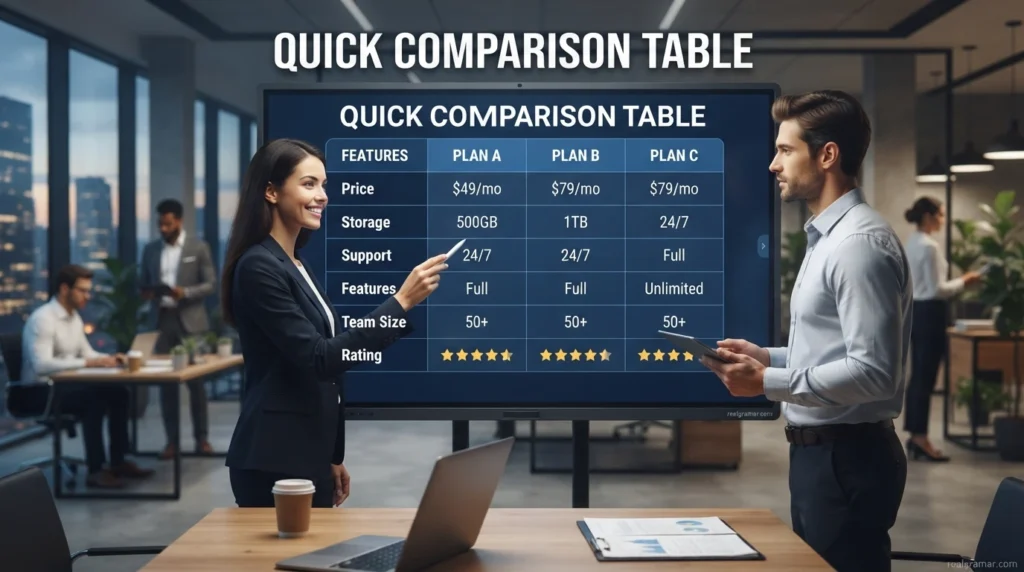
| Situation | Best Choice |
| Picture your future | Envision |
| Create any mental image | Imagine |
| Form detailed mental pictures | Visualize |
| Predict future events | Foresee |
| Think of an invention | Conceive |
| Hope for something emotionally | Dream |
Part 3 will include:
- Advanced comparison examples
- When to use and when to avoid envision
- More sentence examples by category
- Practice exercises with answers
- A final summary table
When to Use Envision
Use envision whenever you want to describe mentally picturing something that has not happened yet or imagining a future possibility. It is especially useful when discussing plans, goals, innovation, or creative ideas.
Appropriate situations
Future goals
- I envision graduating with honors.
- She envisions opening her own bakery.
- They envision a healthier lifestyle.
Business and leadership
- The CEO envisions expanding into international markets.
- Our team envisions a more efficient workflow.
- The company envisions sustainable growth over the next decade.
Education
- Teachers encourage students to envision academic success.
- Students envision careers that match their passions.
- Universities envision stronger research programs.
Creative writing
- The author envisioned an enchanted forest hidden beyond the mountains.
- The artist envisioned a world where colors had emotions.
- The poet envisioned time as an endless river.
Personal development
- Envision your best version before taking the first step.
- Athletes often envision victory before competitions.
- Successful entrepreneurs envision solutions instead of obstacles.
When to Avoid Using Envision
Although envision is versatile, it is not suitable for every situation.
Talking about present reality
❌ I envision my laptop on the desk.
✅ I see my laptop on the desk.
Predicting factual events
If you’re making a prediction based on evidence, words like foresee, predict, or expect are often better.
Example:
✅ Economists foresee inflation increasing.
rather than
⚠ Economists envision inflation increasing.
Describing physical observation
❌ I envisioned the bird sitting on the fence.
If the bird is actually visible:
✅ I saw the bird sitting on the fence
Extremely casual conversation
Although correct, envision may sound more formal than necessary.
Instead of:
Can you envision pizza tonight?
Many native speakers simply say:
Can you imagine pizza tonight?
Comparison Examples
Understanding words through comparison helps learners remember their meanings.
| Incorrect | Correct | Explanation |
| I invision success. | I envision success. | Standard spelling |
| I envision the chair beside me. | I see the chair beside me. | It’s physically visible |
| Scientists envision tomorrow’s weather. | Scientists forecast tomorrow’s weather. | Forecast fits weather predictions |
| I envision becoming a doctor. | ✓ Correct | Future goal |
| She envisioned a peaceful world. | ✓ Correct | Imagined future |
Sentence Examples by Category
School
- My teacher encouraged us to envision our future careers.
- Students envision achieving higher grades.
- The principal envisions a more inclusive learning environment.
- We envision completing the science project ahead of schedule.
- Every learner should envision success through consistent effort.
Workplace
- The manager envisions expanding the business.
- Our department envisions greater collaboration.
- Investors envision long-term profitability.
- Engineers envision smarter cities.
- Designers envision products that improve everyday life.
Everyday Life
- I envision spending more time with my family.
- They envision traveling around the world.
- She envisions owning a peaceful countryside home.
- We envision healthier daily habits.
- He envisions learning a new language.
Creative Writing
- She envisioned the moon smiling above the silent sea.
- He envisioned dreams blooming like spring flowers.
- The knight envisioned victory before entering battle.
- The old lighthouse envisioned forgotten memories.
- They envisioned hope rising with the morning sun.
Academic Writing
- Researchers envision innovative educational technologies.
- Scientists envision breakthroughs in renewable energy.
- Historians envision alternative historical developments.
- Scholars envision new methods of language instruction.
- Economists envision stronger international cooperation.
Practice Exercises
Test your understanding with these exercises.
Exercise 1
Choose the correct word.
- I ________ myself becoming an engineer.
A. invision
B. envision
Answer: B
- The company ________ rapid growth over the next decade.
A. envisions
B. invisions
Answer: A
- Teachers encourage students to ________ success.
A. envision
B. invision
Answer: A
Exercise 2
Correct the mistakes.
- I invision a better tomorrow.
Correct:
I envision a better tomorrow.
- She invisioned becoming a pilot.
Correct:
She envisioned becoming a pilot.
- We invision new opportunities.
Correct:
We envision new opportunities.
Exercise 3
Complete the sentences.
Possible answers include:
- envision success
- envision happiness
- envision innovation
- envision peace
- envision progress
Example:
Leaders should envision positive change.
Tips to Remember the Difference
Remember these simple tricks:
- Envision contains vision, which relates to seeing mentally.
- If you mean “imagine,” choose envision.
- Invision is almost always a spelling mistake in standard English.
- Think of the phrase “envision your future.” It is commonly used in books, speeches, and business writing.
- Proofread carefully because spellcheck may not always catch every contextual mistake.
A useful memory aid is:
If you can picture it in your mind, you can envision it.
Quick Summary Table
| Question | Answer |
| Is invision a correct English word? | No, except as a proper brand name. |
| Which spelling should I use? | Envision |
| What does it mean? | To imagine or mentally picture something. |
| Is it formal? | Yes, but it also works in everyday writing. |
| Is it useful in creative writing? | Absolutely. It creates vivid mental imagery. |
| Can it improve descriptive language? | Yes, by encouraging readers to visualize ideas. |
FAQs
1. Is invision ever correct?
In standard English, no. It is generally considered a misspelling of envision. The only common exception is when InVision refers to the former software company or its branded products.
2. Is envision the same as imagine?
They are similar, but envision usually emphasizes imagining a future possibility or goal, while imagine is broader and can refer to any mental image, whether realistic or fictional.
3. Can envision be used in academic writing?
Yes. It is widely accepted in essays, research papers, reports, presentations, and professional communication because it clearly expresses future thinking and strategic planning.
4. How does envision improve creative writing?
It encourages readers to create vivid mental pictures, making stories, poems, and descriptive passages more engaging. It also pairs well with literary devices such as imagery, metaphors, similes, symbolism, and personification.
5. What is the easiest way to remember the correct spelling?
Think of the word vision. Since envision means “to picture mentally,” the correct spelling naturally includes vision, making it easier to associate with seeing ideas in your mind.
Conclusion
Although invision and envision may look similar, only envision is the correct spelling in standard English when referring to imagining or mentally picturing something. Understanding this distinction helps students, writers, and English learners communicate more accurately and confidently.
Beyond simple spelling, mastering envision can elevate your writing. Whether you’re drafting an academic essay, crafting a compelling story, preparing a business proposal, or writing poetry, the word helps express future possibilities with clarity and imagination. Combined with figurative language, descriptive language, metaphors, similes, imagery, and other literary devices, it allows readers to form vivid mental pictures that make your writing memorable and impactful.
As you continue expanding your vocabulary and refining your writing skills, remember that choosing precise words is one of the most effective ways to communicate ideas. The next time you want to describe a dream, a goal, or a future possibility, choose envision with confidence—and let your readers clearly picture the world you want them to see.
